
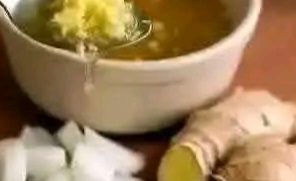
When seasonal chills, scratchy throats, and stubborn chest congestion strike, conventional over-the-counter syrups are often loaded with artificial dyes, synthetic flavorings, and sedatives. Turning to an ancient, kitchen-tested remedy offers a wholesome, highly bioavailable alternative. This Natural Honey, Lemon, Ginger, Garlic, and Onion Cough Syrup combines five potent, time-honored functional ingredients that work synergistically to quiet irritated airways, loosen stubborn mucus, and deliver concentrated plant-based antimicrobial compounds.Recipe Overview & ParametersPrep Time: 15 minutesActive Steep / Maceration Time: 8 to 12 hours (minimum); optimal at 24 hoursTotal Time: 12 hours 15 minutesFlavor Profile: Sweet, pungent, warming, sharp, and citrusyIntensity Level: Moderate to High (presents an initial spicy bite from raw allicin and gingerol, smoothed out by soothing floral honey)Skill Level: Beginner-friendly (No cooking required)Yield: Approximately 1½ cups (approx. 24 tablespoons)Serving Size: 1 tablespoon (15 ml)Why This Natural Formula WorksEach element in this formulation plays an intentional, active biological role:Raw Unpasteurized Honey: Forms the thick, demulcent base. Raw honey coats inflamed mucosal membranes in the throat, triggering salivation and providing immediate physical shielding against irritating cough triggers. It is naturally rich in enzymes like glucose oxidase, which creates low-level hydrogen peroxide activity that suppresses bacterial growth.Fresh Lemon (Juice & Zest): High in bioflavonoids and vitamin C, lemon cuts through heavy mucus, balances the pungency of the alliums, and creates an acidic environment that inhibits pathogen proliferation while preserving the syrup naturally.Fresh Ginger Root (Zingiber officinale): Contains active volatile oils (gingerols and shogaols) that deliver a warming sensation to the chest and throat, stimulate circulation, and help reduce smooth muscle spasms in the bronchial tract.Fresh Garlic (Allium sativum): When fresh garlic cloves are crushed or finely minced, the enzyme alliinase converts alliin into allicin, one of nature’s most studied broad-spectrum antimicrobial agents.Red or Yellow Onion (Allium cepa): An exceptional source of quercetin, a potent natural flavonoid and antioxidant known for anti-inflammatory effects. As sliced onion macerates in honey, osmotic pressure draws out onion juice, creating a thin, liquid syrup naturally rich in volatile sulfur compounds that thin bronchial secretions.Equipment Needed1 clean, sterilized 16-ounce (1 pint / 500 ml) wide-mouth glass Mason jar with lidSharp chef’s knife and cutting boardCitrus squeezer or reamerMicroplane grater or fine zesterStainless steel or silicone spoonFine-mesh sieve or cheesecloth (optional, for straining)Ingredients1 cup (approx. 340 g) 100% pure raw, unpasteurized honey (clover, wildflower, or buckwheat)1 medium organic lemon, thoroughly washed (zest of half the lemon + 3 tablespoons freshly squeezed juice)1 medium yellow or red onion (approx. 120 g), peeled and very finely diced or thinly sliced4 to 5 large fresh garlic cloves, peeled, smashed with the flat of a knife, and finely minced2 inches (approx. 30 g) fresh ginger root, peeled and thinly sliced into matchsticks or freshly gratedOptional booster: ¼ teaspoon ground ceylon cinnamon or 1 pinch cayenne pepper (for enhanced circulation and warmth)Step-by-Step Preparation1. Preparation of Alliums (Activation Phase)Mince the garlic and dice the onion. Let both sit on the cutting board exposed to room-temperature air for 8 to 10 minutes before introducing them to the other ingredients.Expert Culinary Tip: Exposing crushed garlic to oxygen allows the enzymatic reaction between alliin and alliinase to reach maximum allicin concentration before acidic lemon juice or protective honey encapsulates the tissue.2. Layering the IngredientsInto your clean, dry pint-sized glass Mason jar, place the sliced or grated ginger at the bottom.Add the minced garlic followed by the finely diced onions.Add the freshly grated lemon zest and pour in the fresh lemon juice.If including cayenne or cinnamon, sprinkle it directly over the aromatics.3. Adding the Honey Extraction MediumSlowly pour the 1 cup of raw honey over the layered vegetables and roots. Allow the honey to trickle downward, filling the crevices. Use a clean butter knife or chopstick to gently poke around the sides, releasing trapped air pockets. Ensure the raw ingredients are completely submerged beneath the honey layer.4. Cold Maceration & InfusionFasten the lid tightly. Leave the jar on your kitchen counter at cool room temperature (out of direct sunlight) for 8 to 12 hours (or overnight).During this timeframe, osmosis takes place: the dense sugar concentration of the raw honey pulls out the moisture, vital juices, and aromatic oils from the onion, garlic, lemon, and ginger. By morning, you will notice the thick honey has transformed into a runny, deeply aromatic syrup with the vegetables floating on top.5. Straining or Retaining SolidsFiltered Method: Pour the contents through a fine-mesh stainless steel strainer into another sterilized glass jar, pressing firmly with the back of a spoon to squeeze out every drop of medicinal extract. Discard or compost the solids.Whole Infusion Method (Recommended for Maximum Strength): Keep the ingredients in the jar and simply spoon the clear liquid syrup off the top as needed. The aromatics will continue to infuse and deepen in potency over several weeks.Storage & Shelf LifeCountertop Storage: Can remain at room temperature for up to 7 days during active illness.Refrigeration: Store in the refrigerator for up to 2 to 3 months. While chilling may slightly thicken the honey again, the high acidity from the lemon and the low water activity of the honey prevent spoilage. If signs of fermentation (heavy bubbling, pressure buildup, or sour odor) appear beyond normal limits, discard and prepare a fresh batch.Recommended Usage & DosageAdults (Soothing Maintenance): Take 1 tablespoon (15 ml) 3 to 4 times daily, preferably swallowed slowly so it coats the throat lining.During Acute Coughs / Nighttime Fits: Take 1 tablespoon every 2 to 3 hours as needed, or mix 1 to 2 tablespoons into a mug of warm water (not boiling, to protect the honey’s delicate enzymes) or herbal thyme tea.Children over 1 year of age: ½ to 1 teaspoon (2.5 ml to 5 ml) twice daily.

Infant Safety Warning: NEVER give raw honey or products containing honey to infants under 12 months of age due to the risk of infant botulism (Clostridium botulinum spores).Complete Nutritional Analysis(Values calculated per individual 1-tablespoon / 15 ml serving; recipe yields 24 servings)Nutrient Amount Per Serving % Daily Value (DV)*Calories 45 kcal —Total Fat 0.0 g 0%Saturated Fat 0.0 g 0%Trans Fat 0.0 g 0%Cholesterol 0.0 mg 0%Sodium 1.2 mg < 0.1%Total Carbohydrates 11.8 g 4.3%Dietary Fiber 0.1 g 0.4%Total Sugars (Natural Honey & Fructose) 11.2 g —Added Sugars 0.0 g 0%Protein 0.1 g 0.2%Vitamin C 1.8 mg 2.0%Potassium 18.5 mg 0.4%Calcium 2.4 mg 0.2%Iron 0.08 mg 0.4%Allicin & Active Sulfur Phytochemicals Present (active trace) —